CYBER
SECURITY.
Authorised security assessment and practical hardening for websites, systems, servers, networks and business data. The goal is to reduce avoidable exposure, improve access control and make incidents easier to detect and recover from.
Practical controls across the parts most likely to fail.
Website Security Review
Review authentication, forms, exposed configuration, dependencies, permissions and deployment setup.
Server Hardening
Reduce unnecessary services, review access paths, patching, firewall rules, account privileges and logging.
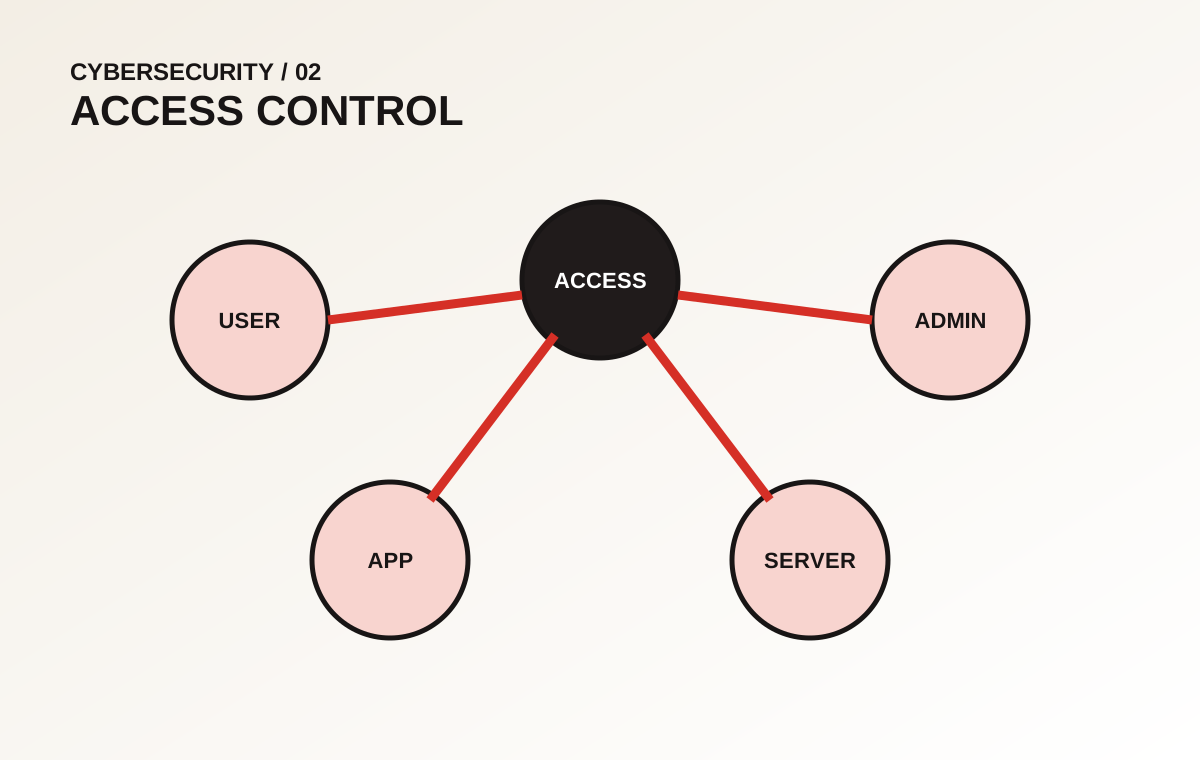
Access Control
Improve user roles, admin separation, password policy, remote access and principle-of-least-privilege decisions.
Network Review
Understand exposed services, segmentation, remote administration paths and device management practices.
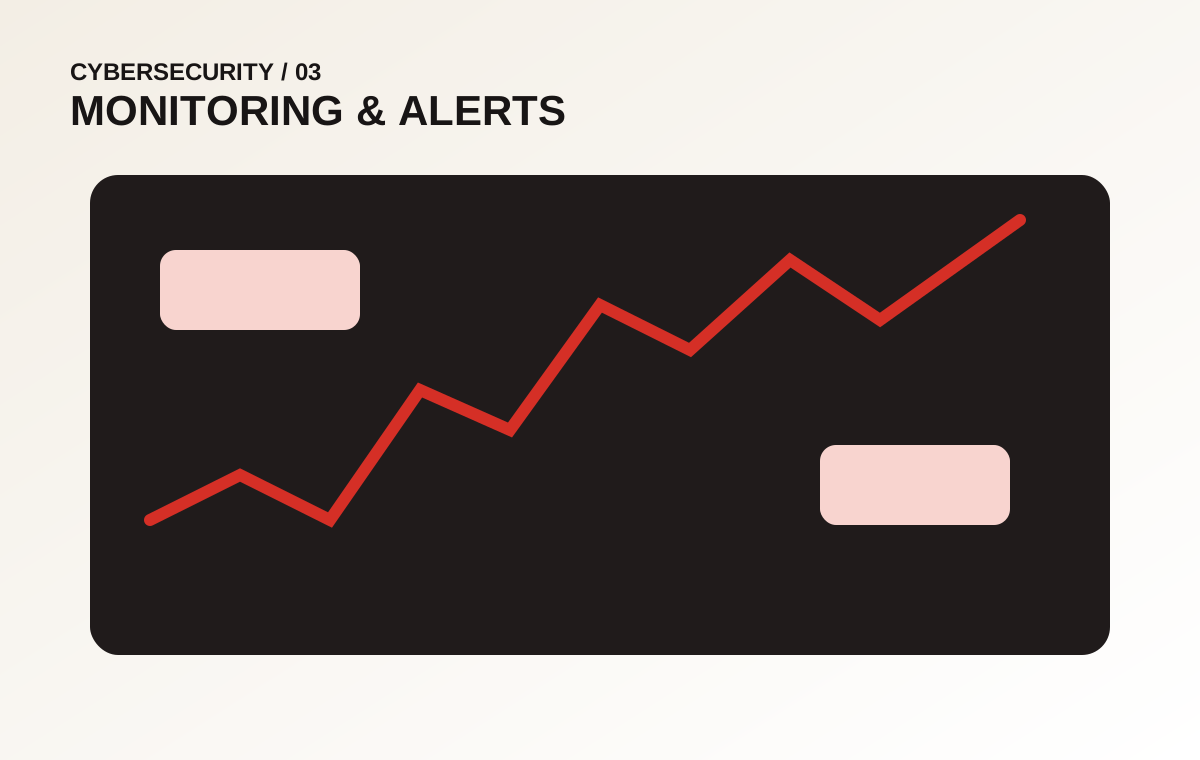
Monitoring & Alerts
Centralise important logs, define alert conditions and establish a practical route for investigating anomalies.
Recovery Readiness
Review backups, restore procedures, admin access recovery and business continuity for important systems.
A balanced security review looks at more than one layer.
Start with controls that remove the easiest paths to compromise.
Technical controls
- Remove unused services and default exposure
- Apply updates and dependency fixes
- Restrict administrative access paths
- Secure secrets and environment configuration
- Enforce HTTPS and secure transport
- Protect backups from the same failure domain
Operational controls
- Separate user and admin accounts
- Review who still needs access
- Document recovery procedures
- Keep important assets inventoried
- Define who responds to alerts
- Record security changes and exceptions
Authorised, scoped and documented.
Scope
Define systems, permissions, exclusions and objectives.
Review
Inspect configuration, access, services and exposure.
Validate
Confirm findings and reduce false positives.
Remediate
Apply or recommend practical fixes by priority.
Retest
Verify that important fixes actually improved the condition.
Common security gaps that are often fixable.
Over-privileged accounts
Too many users with administrator rights or accounts that remain active after responsibilities change.
Exposed services
Management ports, dashboards or services reachable from places that do not need access.
Outdated software
Operating systems, packages or application dependencies running behind supported security updates.
Weak secret handling
Credentials or keys stored in code, shared through insecure channels or reused across environments.
Limited visibility
Important failures happen without sufficient logs, timestamps or alerting for investigation.
Untested recovery
Backups exist but restoration steps, credentials or recovery time have never been verified.
Security work should leave behind usable evidence.
Assessment output
- Scope and environment summary
- Findings grouped by priority
- Evidence and affected component
- Recommended remediation
- Known limitations and assumptions
- Retest status where applicable
Operational output
- Hardening checklist
- Access-control recommendations
- Backup and recovery notes
- Monitoring recommendations
- Maintenance priorities
- Future security improvement backlog
More visual depth, less wall of text.
Common questions.
Do security checks require permission?
Yes. Any active testing should be explicitly authorised and scoped to systems you own or are permitted to assess.
Can security be improved without replacing the whole system?
Often yes. Access control, patching, configuration, logging, backups and deployment practices can usually be improved incrementally.
Can findings be prioritised?
Yes. Findings can be grouped by severity, business impact, exploitability and effort so the most important remediation is handled first.